
Mold Remediation
A structured response for affected indoor areas, including containment, removal or cleaning of materials, HEPA-filtered cleanup, and steps to reduce cross-contamination.
Milwaukee-area mold removal
Address visible growth and hidden moisture with a careful assessment, a defined work area, and treatment based on the conditions inside your property.
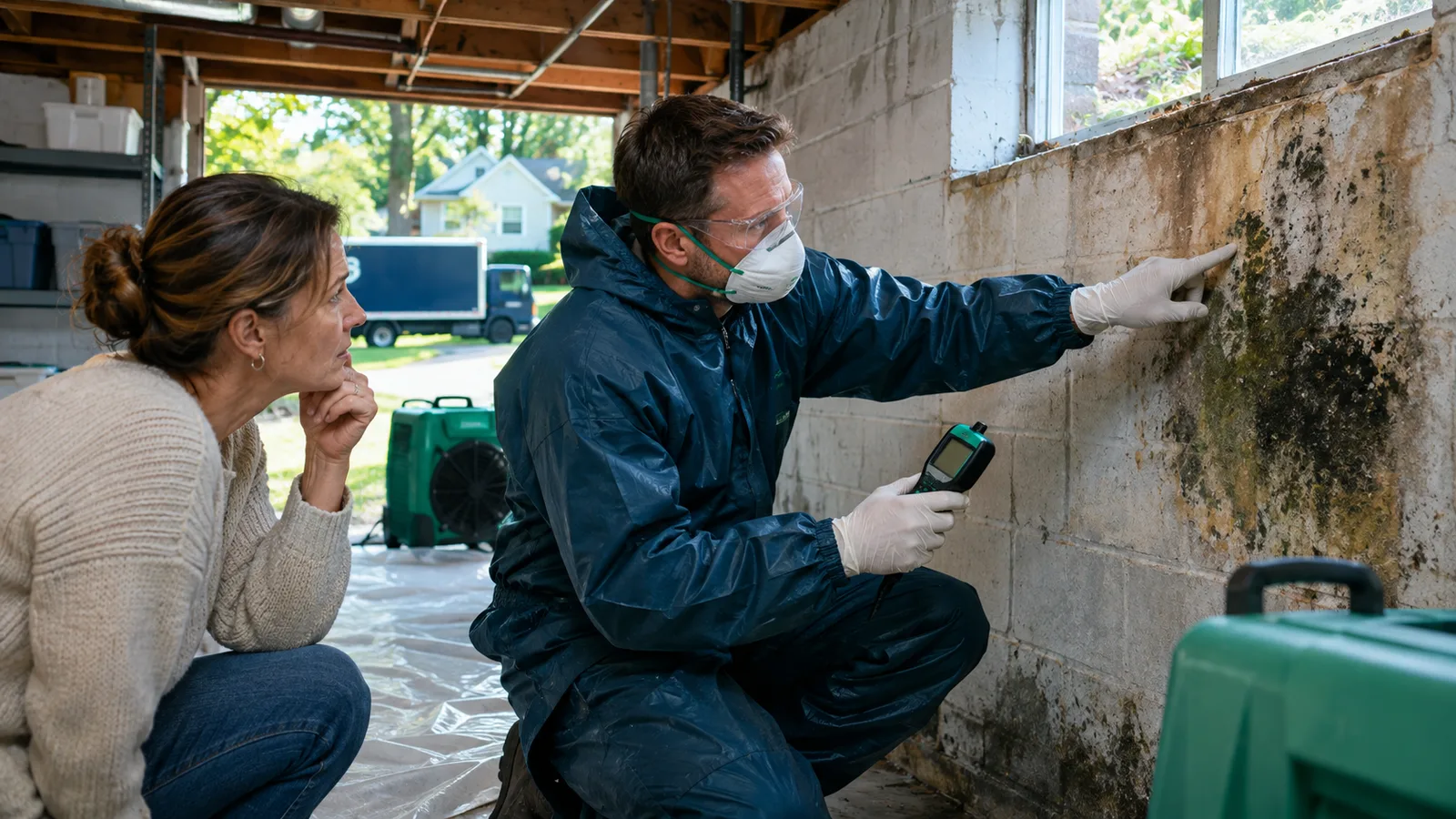
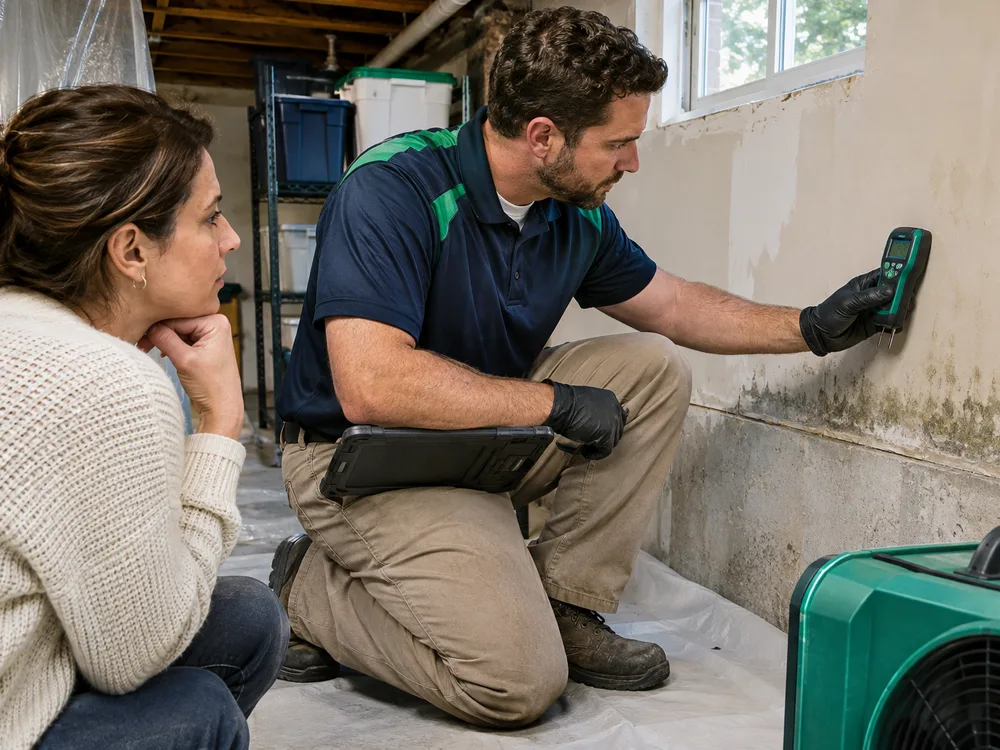
Milwaukee mold removal should address both the affected material and the moisture that allowed growth to develop. Mold Abatement Milwaukee evaluates visible damage, damp building materials, musty odors, and the surrounding conditions before recommending a scope of work.
Roof or plumbing leaks, foundation seepage, condensation, and high indoor humidity can leave drywall, wood framing, insulation, carpet, or stored contents damp enough to support growth. Milwaukee's humid summers, cold winters, and freeze-thaw cycles can add stress to basements, attics, exterior walls, and other moisture-prone spaces.
The work may include isolating the affected area, controlling airborne particles, removing materials that cannot be cleaned, treating suitable surfaces, and using HEPA-filtered equipment for detailed cleaning. The exact approach depends on where the growth is located, how far it extends, and whether the moisture problem has been corrected.
Connected care
Inspection and remediation help clarify conditions and define the appropriate next step.
A structured response for affected indoor areas, including containment, removal or cleaning of materials, HEPA-filtered cleanup, and steps to reduce cross-contamination.
A property assessment focused on visible growth, moisture indicators, likely problem areas, and the information needed to determine an appropriate next step.
Condition-led property care
The scope begins with the affected space, moisture clues, material types, and signs of spread. This helps distinguish a limited surface issue from growth extending behind finishes or into adjacent areas.
Containment can separate the work zone from occupied parts of the property. Depending on site conditions, barriers and controlled airflow may be used to reduce the movement of dust and airborne particles.
Porous materials such as drywall and insulation may require removal when heavily affected. Sound wood and other suitable surfaces may be cleaned using methods selected for the material and condition.
HEPA-filtered equipment supports detailed cleaning of the work area after removal and treatment. Surfaces are addressed methodically rather than relying on paint, fragrance, or a quick wipe over visible growth.
Removal alone does not correct a leak, seepage, condensation, or ventilation problem. The plan identifies observed moisture conditions so the property owner can address the cause and limit recurrence.

Milwaukee field presence
Mold Abatement Milwaukee provides mold removal for homes and businesses in Milwaukee, WI.
The company focuses on the conditions within each property rather than applying one method to every job. That means examining the affected materials, likely moisture source, access constraints, and relationship between the work area and occupied rooms before defining the removal plan.
Clear communication matters because mold work can involve opening finished surfaces or limiting access to part of a building. Property owners should understand what is affected, what can be cleaned, what may need removal, and what moisture correction is outside the removal scope. Mold Abatement Milwaukee explains those factors so customers can make an informed decision about the work.
Inspection-based pricing
Mold removal in Milwaukee typically costs about $500 to $6,000, while small accessible areas may fall near the lower end and extensive contamination requiring demolition, containment, or difficult access can exceed that range.
Final pricing changes with the affected square footage, material type, location, containment needs, water damage, and whether walls or ceilings must be opened. Testing, reconstruction, and moisture repairs may be separate costs. The exact cost is confirmed after an on-site inspection defines the work area and recommended scope.
Inspection-to-cleanup sequence
The process begins by reviewing visible growth, odors, moisture readings, damaged materials, and nearby spaces. Access points and possible moisture sources are documented before work is proposed.
The findings are used to identify the work zone, materials to remove or clean, containment needs, equipment, and any repairs needed to stop continued moisture entry.
The work area is prepared to protect surrounding rooms and contents. Containment and airflow controls may be established when conditions call for limiting particle movement.
Unsalvageable materials are removed, appropriate remaining surfaces are treated, and the area is cleaned with HEPA-filtered equipment according to the planned scope.
The completed area is checked for remaining debris and visible affected material. The property owner receives guidance on drying, repairs, or moisture control that may still be needed.
A clear inspection and written scope can show what needs attention before affected materials are disturbed or covered.
Book Your Free InspectionLocal property conditions
Mold Abatement Milwaukee works throughout Milwaukee, including neighborhoods with older housing, basement moisture concerns, and varied residential construction.
Early twentieth-century homes and duplexes often have basements, older plumbing, and finished additions where leaks or condensation can affect concealed building materials.
Dense blocks of older houses, duplexes, and converted interiors can contain layered finishes that complicate tracing moisture behind walls, ceilings, and flooring.
Historic homes commonly include masonry foundations, wood framing, and finished basements where seepage or plumbing leaks can affect porous materials.
Older houses and multifamily buildings may have compact mechanical spaces, flat or low-slope roof sections, and remodeled interiors that require careful moisture tracing.
Bungalows, duplexes, and older masonry homes often include full basements where foundation seepage, utility leaks, or poor air movement can create damp conditions.
Older neighborhoods include bungalows and larger homes with basements, additions, and mature tree cover, making roof drainage and foundation moisture important inspection points.
Real remediation conditions

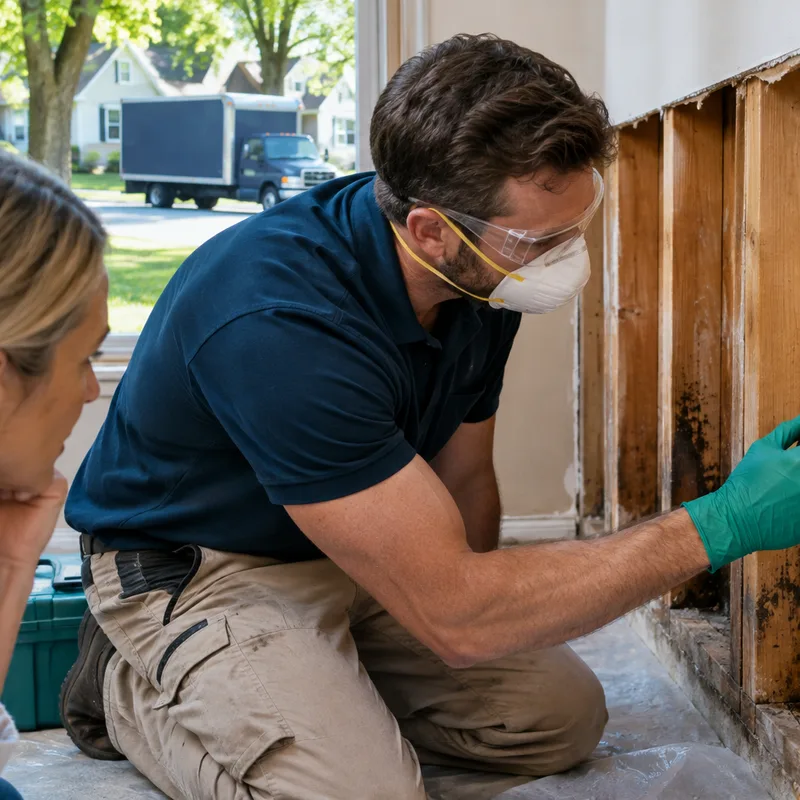
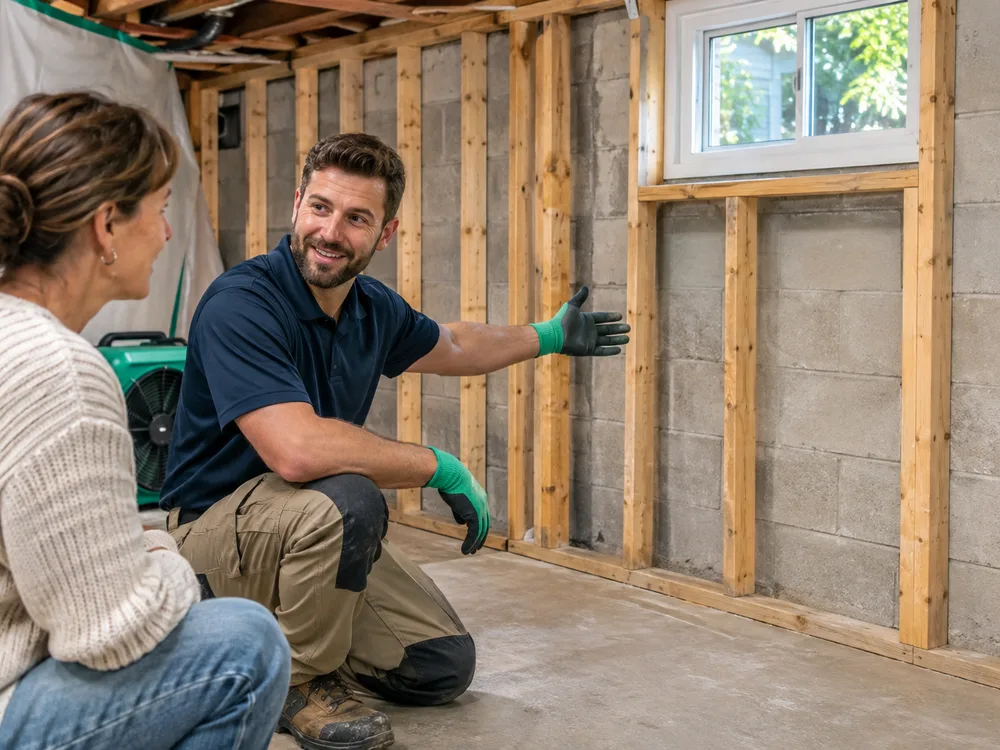
Clear answers before work begins
Scheduling depends on current availability, the size of the affected area, and whether an inspection is needed first. Active water entry should be stopped promptly, while the removal scope is planned around access, containment, and drying conditions.
Whether you need to leave depends on the location and extent of the work. A contained basement or isolated room may have different occupancy needs than work near bedrooms, shared ventilation, or a primary living area.
Heavily affected drywall and insulation commonly require removal because they are porous and difficult to clean throughout. The decision depends on the material's condition, the extent of growth, and whether moisture has reached concealed layers.
Painting over visible mold does not remove affected material or correct the moisture source. Coatings may hide staining temporarily, but damp materials and concealed growth still need to be evaluated before refinishing.
Yes, Mold Abatement Milwaukee provides mold removal for homes and businesses in Milwaukee. Commercial planning considers occupied areas, shared building systems, access restrictions, affected materials, and how the work zone connects to normal operations.
Useful details include where the issue appears, when it was noticed, whether there was a leak or flood, and which materials seem affected. Photos can provide context, but an on-site inspection may be needed to define the scope.
Describe the affected area, the moisture event, and any visible damage. Mold Abatement Milwaukee can assess the conditions and explain a practical scope for your Milwaukee property.